What Does MCP Mean In AI Engineering
MCP stands for Model Context Protocol, an open specification introduced by Anthropic and widely adopted across Claude Desktop, Cursor, VS Code, Windsurf, and agent orchestration runtimes. Before MCP existed, connecting N language models to M SaaS tools or databases required N times M custom integration wrappers because OpenAI function schemas, Anthropic tool definitions, and proprietary local scripts each exposed incompatible contracts.
Developers frequently compare MCP to a universal USB-C port for AI context. Once a data source or workflow is exposed as an MCP Server, any MCP-compliant Client can inspect its tools, prompt templates, and read-only resources dynamically without hardcoding REST endpoints into the application backend.
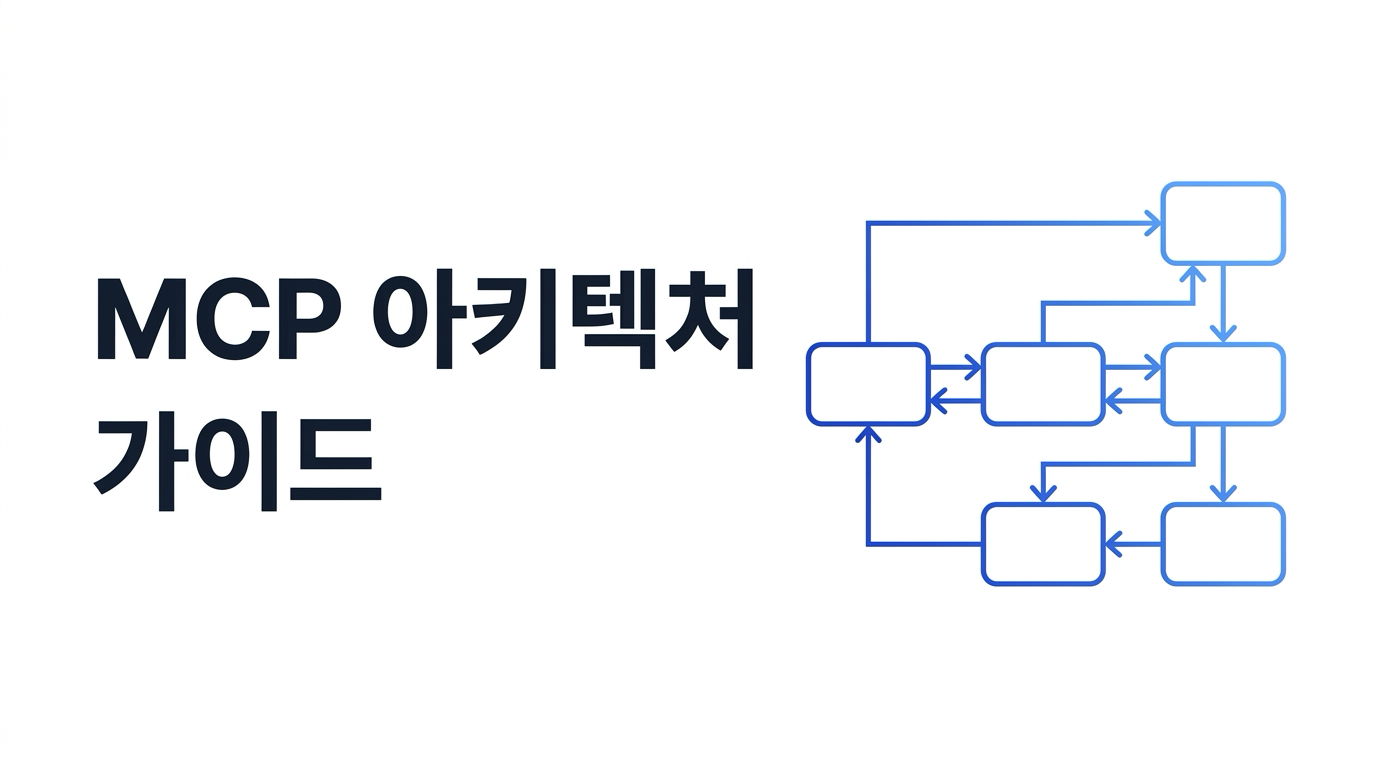
Three Core Architectural Components
| Layer | Responsibility | Real-World Examples |
|---|---|---|
| MCP Host | Owns conversation UI, safety prompts, and model API calls | Claude Desktop, Cursor IDE, VS Code Copilot |
| MCP Client | Maintains stateful 1-to-1 JSON-RPC 2.0 transport sessions | Built-in client process inside each Host runtime |
| MCP Server | Exposes deterministic Tools, Resources, and Prompts safely | [PostgreSQL Read-Only MCP](/servers/postgres-read-only-mcp), [Kakao PlayMCP](/servers/kakao-play-mcp) |
What Does an MCP Server Actually Do
An MCP Server is a lightweight adapter process written in TypeScript, Python, Go, or Rust that exposes three standardized primitives over either local standard input and output streams or remote Streamable HTTP connections:
- Tools: Model-invoked executable actions validated against strict JSON Schema input payloads, such as executing a read-only SQL SELECT query or fetching statutory clauses in Korean Law MCP.
- Resources: Addressable, application-managed context payloads identified by URIs, such as repository diffs, log buffers, or database table schemas.
- Prompts: Reusable workflow templates exposed directly to end users inside slash commands.
How MCP Connects Across Clients and Ecosystems
Because protocol negotiation happens automatically through an initialization handshake, switching between desktop assistants and coding editors becomes effortless. Teams can combine local file inspection via Repomix Codebase MCP, design systems via Figma Design Tokens MCP, and live versioned API docs via Context7 Live Docs MCP.
Before rolling out multiple servers, check tool schema sizes using our MCP Token Overhead Matrix. Continue across this foundational cluster by reviewing MCP vs REST API Differences, Claude MCP Connection Guide, and How to Build a Custom MCP Server.
Choosing Between Local stdio and Remote Servers
Local stdio servers spawn child processes directly on developer workstations, making them ideal for private repositories, Unity Editors via MCP for Unity, and local Adobe creative files. Remote Streamable HTTP servers use OAuth 2.1 tokens to integrate team workspaces safely without distributing raw machine secrets. Understanding both models prevents unnecessary credential sprawl while keeping latency low across production coding workflows.