Search & Web
Core Ecosystem
Context7 Versioned Docs MCP
Inject current version-specific library documentation directly into prompts
stdiohttpnonefreemium
Tool Surface2 tools
Reliability Score97 / 100
740 tok · 19,400 starsInspect config
Discover audited Model Context Protocol servers, copy-ready stdio and Streamable HTTP configurations, token budget benchmarks, and low-competition agent workflows.
Audited Servers
39
Categories
10
Deep Guides
20
Benchmarks
5
Explore verified implementations across ten production infrastructure domains.
6 servers
SQL, Postgres, ClickHouse, Redis
4 servers
Git, AST, LSP, Build Diagnostics
4 servers
Playwright, DOM, Scraping, E2E
4 servers
Real-Time Search, Crawl, Docs
4 servers
Docker, Kubernetes, Cloudflare, Vercel
4 servers
Linear, Notion, Slack, Issue Ops
3 servers
Figma Tokens, SVG, Image Spec
3 servers
Stripe, Toss, Market Feeds, Billing
3 servers
Knowledge Graph, Vector Memory, Steps
4 servers
OAuth Audit, Secrets, Observability
Top audited Model Context Protocol implementations ranked by reliability and spec compliance.
Inject current version-specific library documentation directly into prompts
Inspect relational schemas and run safe EXPLAIN plans without mutation risk
Deterministic headless browser control via structured accessibility snapshots
Specialized, under-documented MCP tools solving high-intent engineering workflows.
Verify Terraform provider schemas and review IaC drift safely
Retrieve verified Korean payment widget, billing, and glossary specs
Run deterministic static security rules on diffs before git commit
Syntax-aware AST pattern matching across TypeScript, Python, Go, and Rust
Neural embedding web search for GitHub repos, papers, and startups
Search markdown notes, backlinks, and YAML frontmatter offline
Zero-click static reference tables comparing token cost, latency, auth standards, and client schemas.
Every connected MCP server injects JSON tool schemas into the system prompt before a user sends a single message. Keeping combined schema footprint under 12,000 tokens preserves reasoning accuracy and reduces API latency.
Open benchmark data
MCP adoption spans desktop chat apps, IDEs, and terminal coding agents, yet transport and capability support varies significantly across clients.
Open benchmark data
Choosing between npx stdio, uvx Python stdio, Docker containers, and remote Streamable HTTP directly impacts IDE responsiveness and CI execution time.
Open benchmark data
Connecting LLM agents directly to databases, browsers, and terminals introduces real blast-radius risks unless read-only roles and directory sandboxes are enforced at the protocol boundary.
Open benchmark data
Installing ten overlapping MCP servers hurts model accuracy. These four field-tested role blueprints stay lean under 8,500 initial schema tokens while covering end-to-end engineering loops.
Open benchmark data
In-depth articles structured across pillars, comparisons, case studies, and myth-busting Q&A.
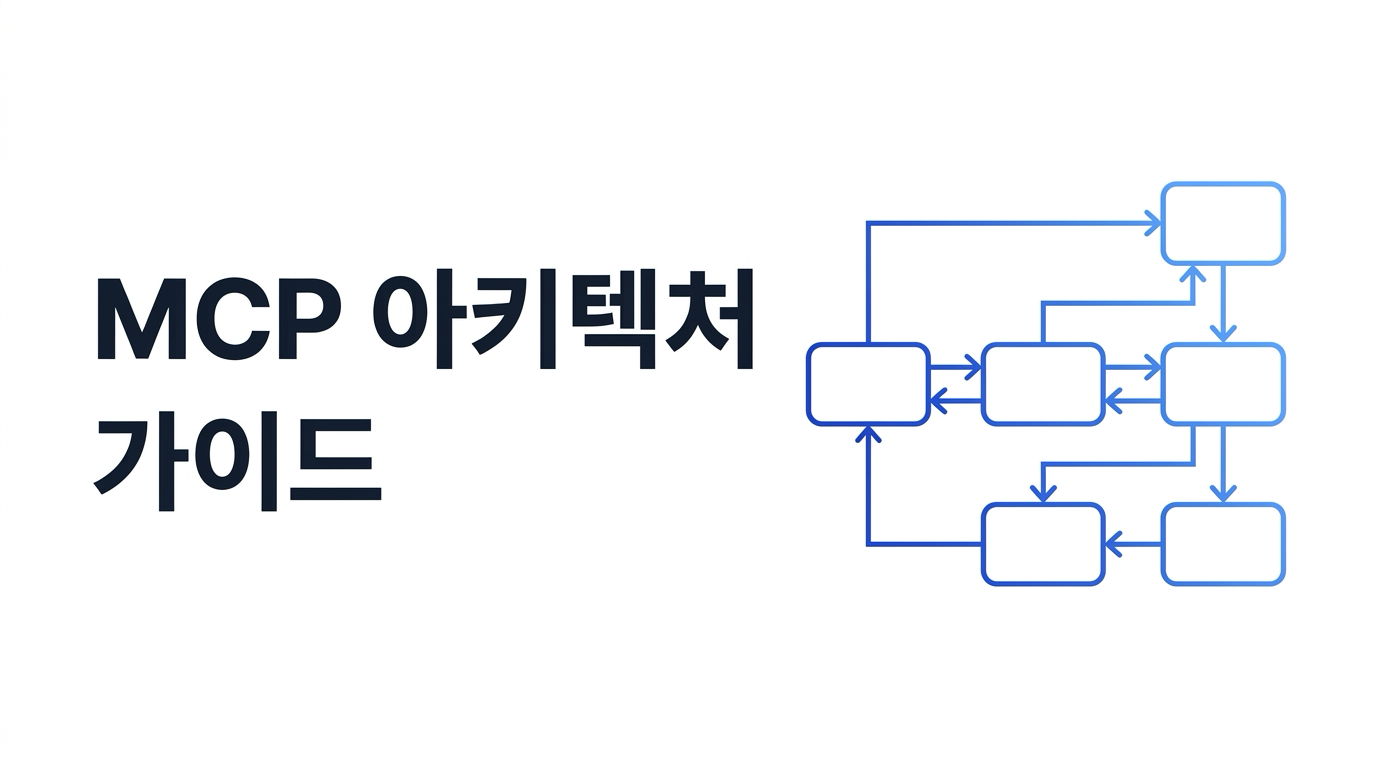
Model Context Protocol separates AI host applications from external data connectors over JSON-RPC 2.0. Every MCP integration exposes structured Tools for actions, Resources for read-only context, and Prompts for reusable workflows across stdio or Streamable HTTP transports.
Choose stdio when running local repository, SQLite, or AST tools needing single-digit millisecond latency without network hops. Choose Streamable HTTP for shared SaaS integrations, OAuth 2.1 browser sign-in, and zero local runtime maintenance.
Idle MCP servers are never free: every enabled server injects its full JSON tool schema into every turn. Keep combined global tools under 15 and move heavy browser or cluster MCPs into per-repository configs.
Claude Desktop stores personal configs in an OS application support JSON file using mcpServers, Cursor supports both global and .cursor/mcp.json per-repo configs, and VS Code uses a distinct servers root key inside .vscode/mcp.json.
Solo builders ship faster with focused low-token MCP utilities than heavy enterprise connectors. Pairing ast-grep, Biome, DuckDB, and OSV CVE Scanner covers code search, linting, local data profiling, and security audits under 3,300 combined tokens.
Database MCP servers eliminate schema guesswork in backend engineering. Always connect via dedicated SELECT-only roles, enforce strict statement timeouts, and isolate analytical engines from transactional databases.