Protocol Topology Between Host, Client, and Server
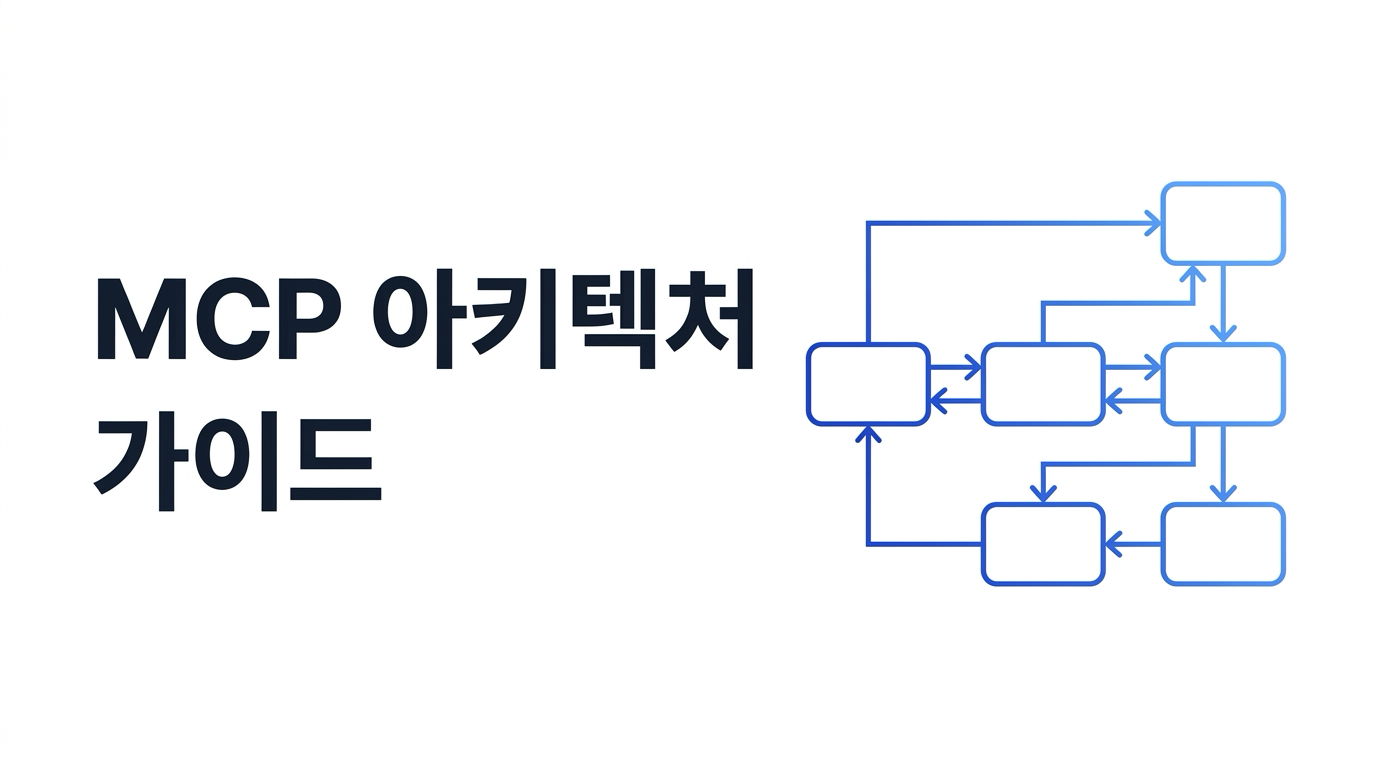
Before installing dozens of community connectors, engineering teams should understand the three runtime roles inside Model Context Protocol. The Host is the user-facing application such as Claude Desktop, Cursor, or VS Code. Inside the Host, an isolated MCP Client maintains a stateful session with exactly one MCP Server over JSON-RPC 2.0.
This one-to-one client boundary guarantees that a crash or misbehaving dependency inside a database connector never leaks credentials or freezes an unrelated repository server. Each server declares its supported capabilities during the initial handshake, allowing the Host to decide which tools enter the model context window.
Core Protocol Primitives
| Primitive | Control Owner | Typical Use Case | Cache Impact |
|---|---|---|---|
| Tools | Model decided | Run SQL SELECT, inspect DOM, search docs | Injects JSON schema into prompt |
| Resources | App or User attached | Read log files, table schemas, spec markdown | Loaded only when attached |
| Prompts | User triggered | Prebuilt PR review or triage slash commands | Zero idle token footprint |
| Roots | Host enforced | Restrict filesystem traversal to repo path | Blocks out-of-tree reads |
Transport Selection Across Local and Cloud Workflows
Local development tools overwhelmingly run over standard input and output streams, commonly known as stdio. A stdio server spawns as a child subprocess directly on the developer workstation, inheriting environment variables without opening TCP ports. Tools like Git Local History MCP and PostgreSQL Read-Only MCP excel on stdio because latency stays under ten milliseconds.
Remote SaaS workflows increasingly adopt Streamable HTTP transport. Instead of asking every developer to install Python or Node runtimes locally, teams connect to an HTTPS endpoint protected by OAuth 2.1 tokens. Servers such as Cloudflare Workers MCP and Linear Sprint Ops MCP rely on Streamable HTTP so credentials remain centrally managed.
Building A Balanced Multi-Server Workspace
Once you understand protocol primitives, prioritize narrow single-purpose servers over sprawling bundles. Start by benchmarking schema size via our stdio vs Streamable HTTP comparison, trimming schema overhead with MCP token optimization tactics, and reviewing Cursor and Claude Desktop setup differences. Solo engineers can also deploy our lightweight niche stack recommendations to stay agile.